Software Supply-Chain Security Is Moving From Guidance to Enforced Controls
GitHub has introduced a set of coordinated security controls designed to reduce software supply chain risk across npm and GitHub Actions. The updates include preventive account protection for high-impact npm maintainers, safer default behavior in GitHub Actions, staged package publishing, and self-service credential revocation. Together, these changes emphasize preventing compromise before malicious code reaches downstream users rather than relying solely on detection after the fact.
Summary
GitHub has introduced a set of coordinated security controls designed to reduce software supply chain risk across npm and GitHub Actions. The updates include preventive account protection for high-impact npm maintainers, safer default behavior in GitHub Actions, staged package publishing, and self-service credential revocation. Together, these changes emphasize preventing compromise before malicious code reaches downstream users rather than relying solely on detection after the fact.
Key Updates
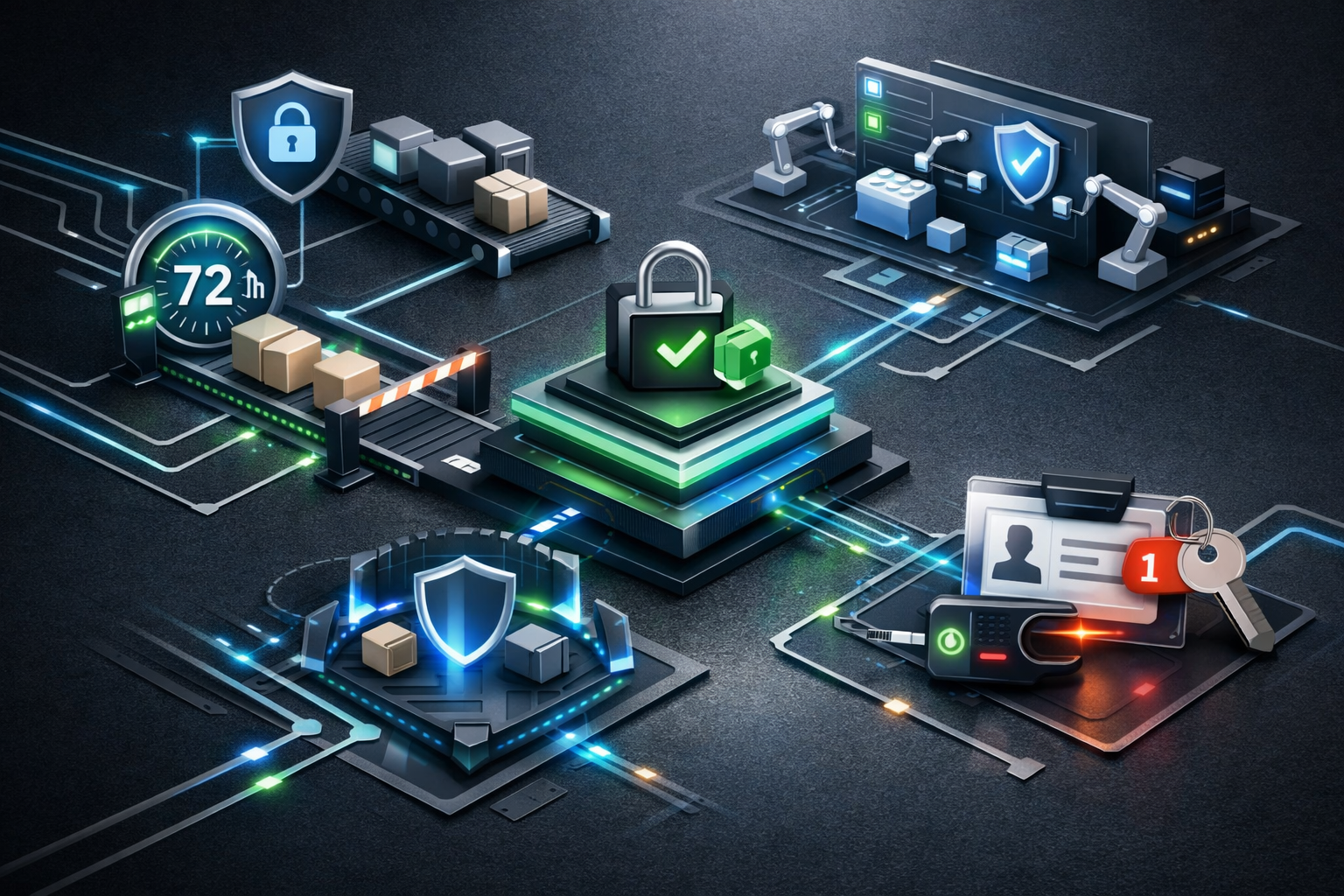
- High-impact npm accounts now receive preventive account protection, including a 72-hour read-only period after sensitive account changes.
- GitHub Actions now uses safer defaults for pull_request_target workflows to reduce the risk of untrusted code execution from forked repositories.
- npm staged publishing introduces an approval step and requires two-factor authentication before packages are published.
- New self-service credential revocation tools allow maintainers to quickly invalidate compromised credentials during an incident.
Why It Matters
These announcements reflect a broader shift toward preventative governance across the software supply chain. Rather than relying primarily on scanners and post-compromise detection, GitHub is adding friction at the highest-risk operational points—maintainer identities, package publication, workflow execution, and credential management.
For engineering teams, this is operationally significant because many recent supply chain attacks have exploited trusted maintainers, compromised credentials, or CI/CD workflows instead of vulnerabilities in application code itself.
These controls strengthen the baseline security posture, but they should be viewed as complementary safeguards rather than complete protection. Organizations still need independent controls such as least-privilege access, workflow reviews, dependency governance, and continuous monitoring.
Builder Takeaway
Treat this as a validation signal rather than an immediate adoption mandate. Evaluate each control independently within your engineering workflows:
- Review whether your GitHub Actions workflows rely on pull_request_target and verify they remain secure under the new defaults.
- Identify critical npm packages and maintainers that would benefit from staged publishing and stronger account protections.
- Incorporate credential revocation procedures into your incident response playbooks and validate recovery processes through tabletop exercises.
- Continue monitoring the effectiveness of these controls before changing production governance, CI/CD architecture, or security policies.
Adopt new platform capabilities where they reduce measurable risk, but keep operational decisions grounded in evidence from your own environment.
How strong is this signal for builders?
Signal feedback is stored anonymously and used to improve Tech Radar editorial quality.
Want more operational technology signals?
Follow uniQubit Tech Radar or contact uniQubit about a product, partnership, or operational software need.
Sources
- Disrupting supply chain attacks on npm and GitHub Actions - GitHub Blog
- Nuxt July 2026 security advisory - Vercel Blog