OpenAI's Michigan Data Center: A New Era in AI Infrastructure
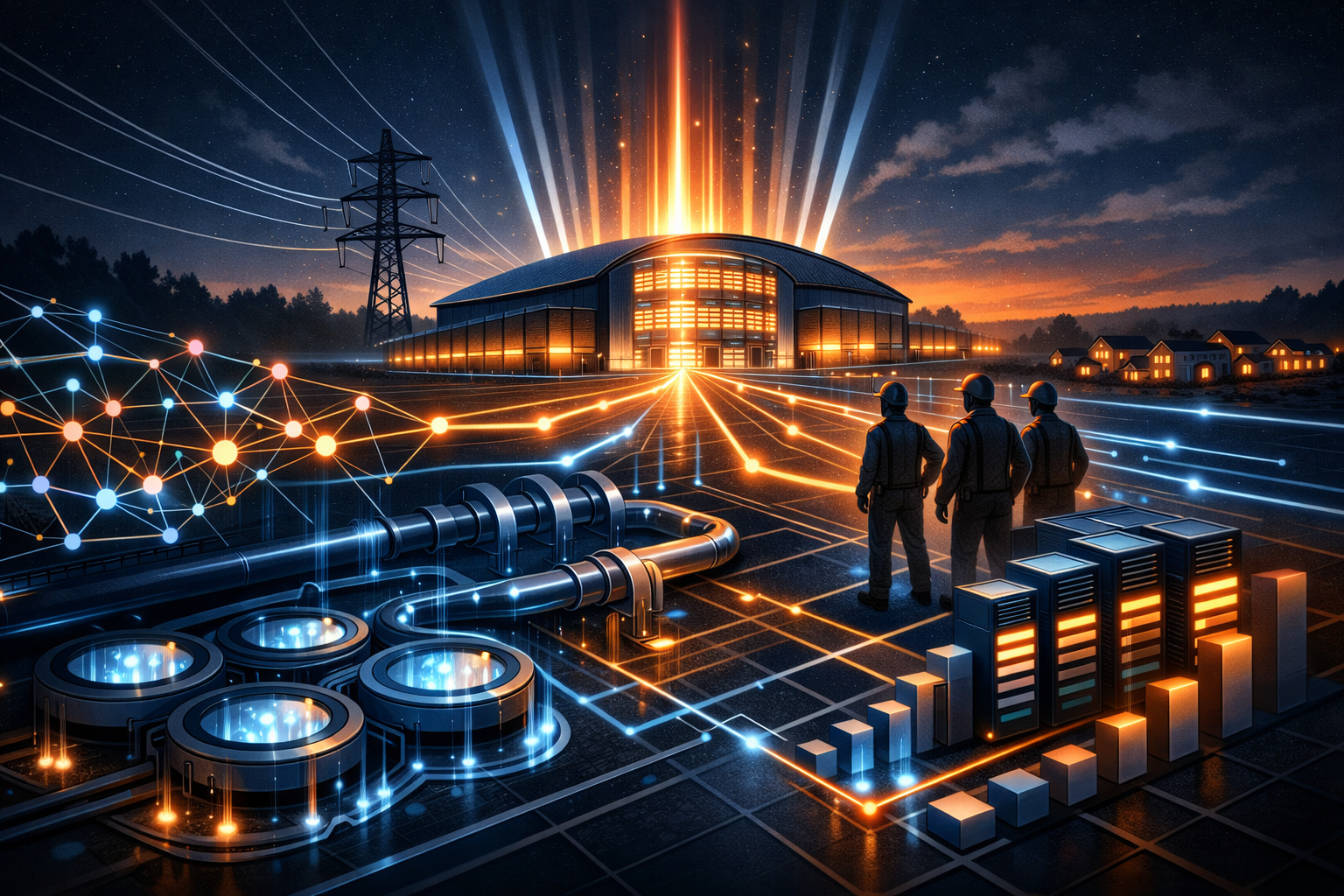
OpenAI is building a 1GW data center in Saline, Michigan, as part of its Stargate program, as part of its broader effort to expand AI infrastructure capacity. The project will use a closed-loop cooling system to protect water resources and is expected to create over 2,500 union construction jobs. OpenAI is investing in local community projects and providing AI training opportunities for Michigan students.
Summary
OpenAI is building a 1GW data center in Saline, Michigan, as part of its Stargate program, as part of its broader effort to expand AI infrastructure capacity. The project will use a closed-loop cooling system to protect water resources and is expected to create over 2,500 union construction jobs. OpenAI is investing in local community projects and providing AI training opportunities for Michigan students.
Key Updates
- OpenAI is building a 1GW data center in Saline, Michigan, called The Barn.
- The project is part of OpenAI's Stargate program to develop AI infrastructure.
- The data center will use a closed-loop cooling system to protect local water resources.
- The project is expected to create over 2,500 union construction jobs.
- OpenAI is contributing $10 million to local community projects.
Why It Matters
OpenAI's Michigan project highlights a broader shift occurring across the AI industry: competitive advantage is increasingly tied to infrastructure capacity, not just model development.
As frontier AI systems become more computationally demanding, access to power, data center capacity, cooling systems, and large-scale compute is becoming a strategic asset. Major AI companies are investing billions of dollars into physical infrastructure to support future training and inference workloads.
The significance of this announcement is less about a single facility and more about the broader transition it represents. The AI industry is entering a phase where deployment speed, energy availability, and operational scale may influence progress as much as advances in model architecture.
For builders and technology leaders, this is a signal that AI is evolving from a software challenge into a full-stack infrastructure challenge that includes compute, networking, energy, and operational resilience.
Builder Takeaway
Most teams will never operate a 1GW data center, but they will feel the effects of infrastructure investments like these.
Builders should watch how cloud providers and AI vendors expand compute capacity, as infrastructure availability increasingly influences model access, pricing, performance, and deployment options.
Worth watching:
- Expansion of AI-focused data center capacity.
- Energy and cooling requirements for large-scale AI systems.
- Regional competition for AI infrastructure investment.
- How infrastructure constraints affect AI service availability and cost.
The broader lesson is that AI capability is increasingly dependent on the infrastructure supporting it, not just the models themselves.
Sources
- Building the infrastructure for the Intelligence Age in Michigan: https://openai.com/index/stargate-michigan-data-center
How strong is this signal for builders?
Signal feedback is stored anonymously and used to improve Tech Radar editorial quality.
Want more builder-focused AI and infrastructure signals?
Follow UniQubit Tech Radar or contact UniQubit about the systems you are building.