Choosing Between Supabase Realtime and ETL for Data Handling
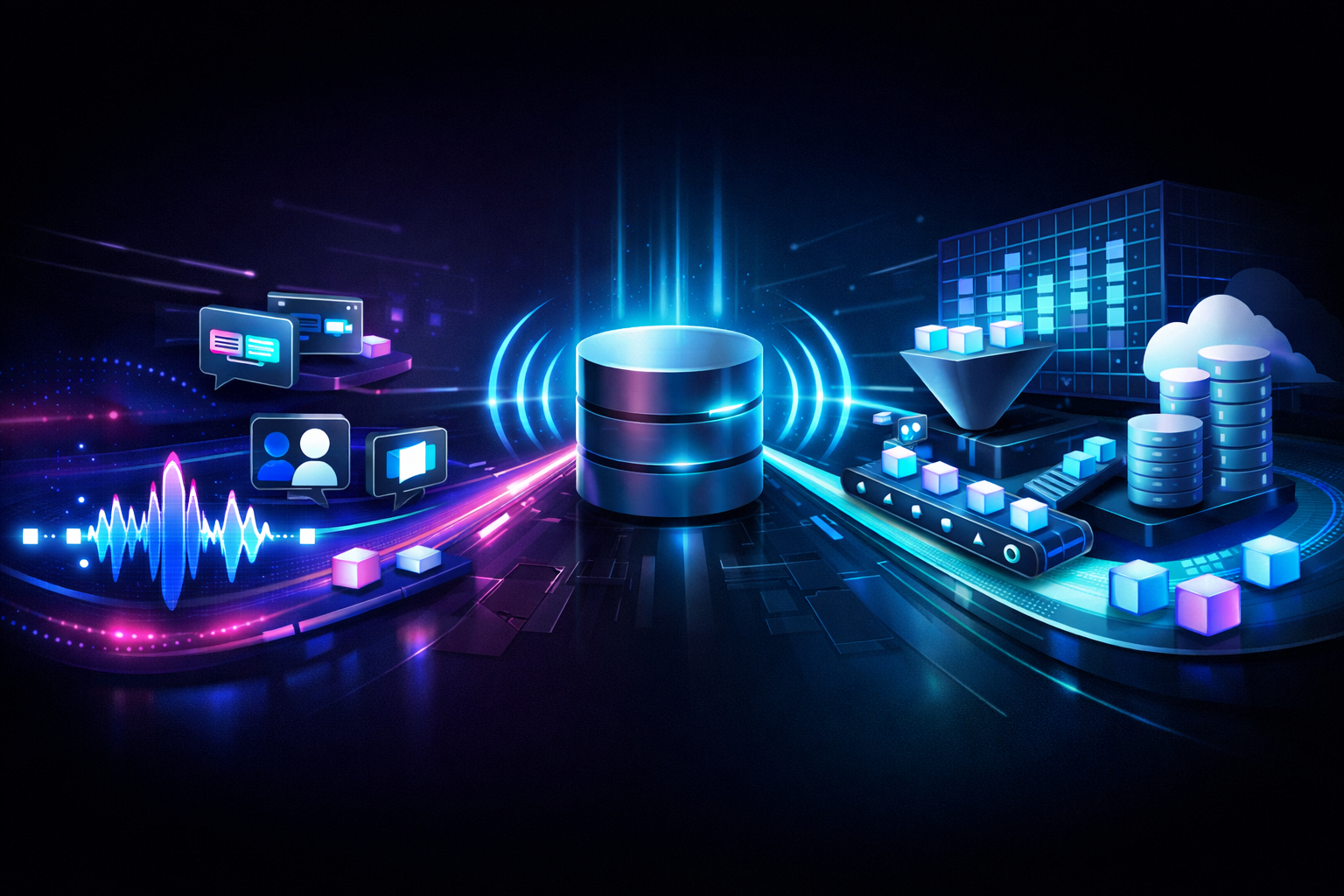
Supabase separates Postgres change streams into two operational paths: Realtime for immediate user-facing updates and ETL for reliable movement into analytical destinations. Both use logical replication from Postgres, but they serve different latency, durability, and destination requirements.
Summary
Supabase separates Postgres change streams into two operational paths: Realtime for immediate user-facing updates and ETL for reliable movement into analytical destinations. Both use logical replication from Postgres, but they serve different latency, durability, and destination requirements.
Key Updates
- Supabase Realtime and ETL both read changes from Postgres databases using logical replication.
- Realtime is designed for live data experiences, sending immediate updates to users' browsers and apps.
- ETL is aimed at moving data to analytical destinations like BigQuery in near real-time.
- Realtime includes features like Broadcast, Presence, and Postgres Changes.
- ETL ensures reliable data movement to analytics warehouses.
Why It Matters
The signal is not that the platform added two data tools. It is that Postgres change streams are splitting into different operational lanes: one optimized for live user-facing experiences, the other for durable movement into analytics systems.
That distinction matters because realtime UX and analytics delivery have different failure modes. A missed browser update, a delayed dashboard event, and an incomplete warehouse load are not the same operational problem.
Builders should choose the pipeline based on latency, durability, replay needs, destination guarantees, and failure recovery.
Builder Takeaway
Use Realtime when the product needs low-latency user-facing updates such as presence, collaboration, or live UI state. Use ETL when the requirement is reliable downstream movement into analytics systems. Do not treat both as interchangeable logical-replication outputs; compare latency, replay, delivery guarantees, and failure recovery before wiring production workflows.
How strong is this signal for builders?
Signal feedback is stored anonymously and used to improve Tech Radar editorial quality.
Want more builder-focused AI and infrastructure signals?
Follow UniQubit Tech Radar or contact UniQubit about the systems you are building.
Sources
- Realtime or ETL? How to choose the right tool - Supabase Blog