Mobile Management of Coding Tasks with Codex
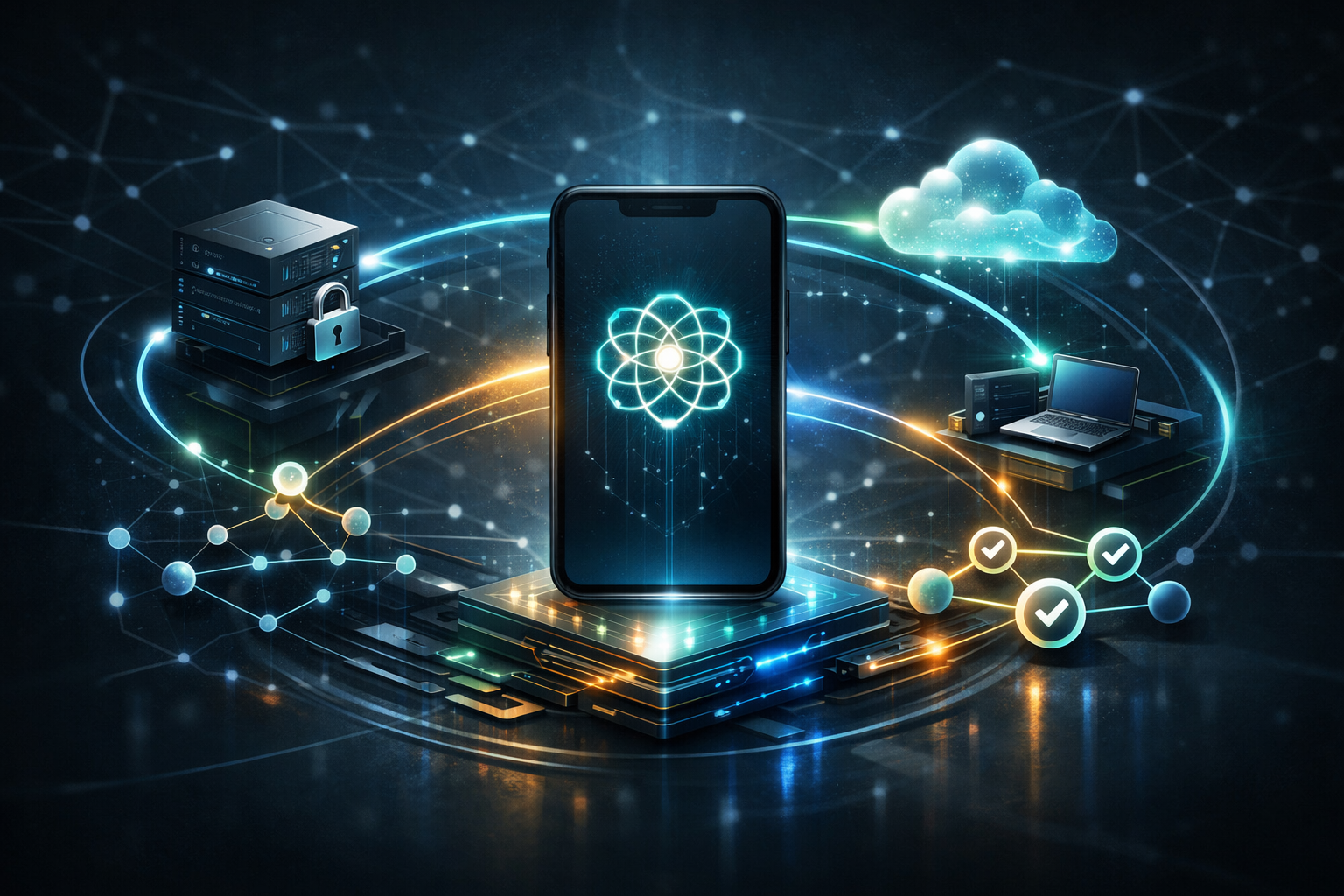
OpenAI is bringing Codex into the ChatGPT mobile app, allowing developers to monitor, steer, and approve coding tasks remotely across devices and environments. The rollout includes support for Remote SSH and Hooks, enabling automation workflows and remote execution management from mobile. Device synchronization is handled through a relay-based architecture designed to avoid directly exposing development environments to the public internet.
Resumen
OpenAI is bringing Codex into the ChatGPT mobile app, allowing developers to monitor, steer, and approve coding tasks remotely across devices and environments. The rollout includes support for Remote SSH and Hooks, enabling automation workflows and remote execution management from mobile. Device synchronization is handled through a relay-based architecture designed to avoid directly exposing development environments to the public internet.
Actualizaciones clave
- Codex is now accessible through the ChatGPT mobile app on iOS and Android in preview.
- Developers can monitor, approve, and manage coding tasks remotely from mobile devices.
- Remote SSH support enables Codex to interact with external development environments.
- Hooks support introduces automation and workflow integration capabilities.
- Device synchronization uses a relay-based architecture rather than direct public exposure.
- The feature is available across ChatGPT plans during the preview phase.
Por qué importa
The important signal is not “mobile coding.” It is the shift toward persistent, remotely supervised AI-assisted development workflows.
The phone increasingly becomes a control surface for long-running coding agents operating across desktops, remote machines, and cloud environments. This changes the role of the local workstation from the primary execution environment into one node within a broader operational system.
The addition of Remote SSH and workflow Hooks also suggests AI coding tools are evolving beyond inline assistance toward orchestrated task execution. Developers are no longer only generating code with AI; they are beginning to supervise distributed execution environments that continue operating asynchronously across devices.
The relay-based synchronization model is also notable because it reflects growing emphasis on constrained connectivity and operational security as AI agents gain deeper access to development systems.
Conclusión para constructores
Builders should pay attention to how mobile supervision changes development workflows rather than focusing only on the mobile interface itself.
The more relevant question is whether teams are prepared for:
- persistent AI coding sessions,
- asynchronous task execution,
- remote orchestration across devices,
- and approval-based development flows.
Remote SSH access and automation Hooks are worth evaluating carefully because they may become foundational primitives for future agent-driven developer infrastructure rather than isolated convenience features.
How strong is this signal for builders?
Signal feedback is stored anonymously and used to improve Tech Radar editorial quality.
Want more builder-focused AI and infrastructure signals?
Follow UniQubit Tech Radar or contact UniQubit about the systems you are building.
Fuentes
- Work with Codex from anywhere - OpenAI Blog